The Importance of Magnesium in Fibromyalgia

We hear it all the time, another supplement that we should take. Something else to swallow, but why? My personal opinion as a Fibromyalgia patient is that I’ll swallow 30 supplements over 30 prescriptions any day. The human body is designed to heal, if we feed it naturally. How did we last this long in the role of evolution, if we weren’t designed to grow, learn, heal, and adapt?

Magnesium is necessary for human bodily function. In fact, for the role of a patient that has neuropathic pain and pain hypersensitivity magnesium can decrease this effect. Magnesium blocks the calcium influx that decreases that hypersensitivity and inhibits central sensitization from happening in the first place. What’s important to note is that as we age our magnesium consumption seems to lower, and our capability of absorption decreases leading to inflammatory stress and poor sleep quality.

A study titled Psychological and Sleep Effects of Tryptophan and Magnesium-Enriched Mediterranean Diet in Women with Fibromyalgia actually concluded with the following information.

“Daily consumption of a Mediterranean-diet enriched with a high dose of TRY and MG (60 mg of TRY and 60 mg of MG) by middle-aged women with fibromyalgia during 16 weeks had modest beneficial effects on emotional processing, decreased fatigue, anxiety, and depression, and reduced possible eating disorders and dissatisfaction with body image, but did not modify sleep quality,” states the MDPI website on Environmental Research and Public Health.

I’m certain, as a patient myself, that most of us do not get proper nutrition with the varying different co-morbid conditions that we have. Especially for ones that suffer from heartburn influxes, and irritable bowel, and swallowing issues. After all our central nervous systems are all dysfunctional, our receptors are on full volume, we are lucky to have the energy to cook let alone consume food at all somedays.

Several research studies have shown that patients with chronic pain do not follow the recommended dietary intake of most vitamins and minerals; and such deficiencies have been associated to several pathological conditions of chronic pain, including FM. Additionally, studies have investigated the impact of magnesium (Mg) on pain improvement. Mg is an important trace element for many metabolic functions, also vital for the activity of over 300 enzymes. Mg deficiency has been associated to headache, migraine, fibromyalgia, increase in C-reactive Protein (CRP), osteoporosis, cardiovascular disease, and other conditions,” states the BMC website on Advances in Rheumatology.

Fatigue, muscle weakness, irritable bowel, and paresthesia are similar to the symptoms of deficiency in Mg, which are all symptoms of FM. If a Mg deficiency does exist, it may have a shared link among stress, inflammation and metabolic syndrome, this may cause an inappropriate response with the activation of intracellular calcium (Ca). So it stands to reason to supplement Mg when necessary. Magnesium (Mg) deficiency actually has a name, it’s called Hypomagnesemia.

Although more than 99 % of the total body magnesium is located in the intracellular space, intracellular magnesium measurement is not included in daily basis in the clinical laboratory, being measured in serum and/or plasma. Hypomagnesemia – considered when serum magnesium concentration is below 0.7 mmol/L– is common, especially in subjects with comorbid conditions. The causes of hypomagnesemia can be broadly classified into four categories: gastrointestinal loss, renal loss, secondary to medications, and decreased intake. The prevalence of hypomagnesemia depends on multiple factors and varies according to different healthcare scenarios: 2.7 % in the general population, approximately 10 % in hospitalized patients, most commonly in critically ill patients, 14.7 % in patients with chronic kidney disease, 30–80 % in persons with alcohol use disorder and 10–60 % in patients with diabetes. Mild deficiency can remain undetected because it often presents non-specific symptoms, such as irritability, nervousness, mild anxiety, muscle contractions, weakness, fatigue, and digestive problems. A more pronounced magnesium deficiency can cause more severe symptoms of neuromuscular, cardiac, or nervous disorders,” states the De Gruyter website.

Okay, the big question, which is the best magnesium to take?! There seems to be a plethora of them to choose from. Personally, I take a triple form of Magnesium. The most highly absorbable is actually organic magnesium salts. If you can tolerate Magnesium by mouth, using Magnesium Citrate, Glycinate, Malate can help. Be forewarned that Magnesium Oxide is the one that has the tendency to have the most pronounced gastrointestinal issue effects. I highly recommend especially for FM patients to avoid Magnesium Oxide especially if you already have IBS, we want our small bowel to absorb the magnesium to help ourselves at the intracellular level rather than reject it.

A daily dose of 800–1,600 mg (40–80 mEq [20–40 mmol]) can be used to treat moderate to severe hypomagnesemia. Patients with gastrointestinal disorders that are not easily correctable can be challenging to treat because oral magnesium preparations can cause diarrhea and potentially worsen the deficit. Oral preparations should be started at the lowest dose and only gradually increased. Magnesium oxide tends to cause more gastrointestinal intolerance than other oral preparations” states the De Gruyter website.

What got me started on the Magnesium pathway to begin with is that my blood pressure was all kinds of crazy and no heart medicine they put me on did anything for it. I had paresthesia in my veins (where they shrink) and in my carotid arteries to my brain. Once I started my supplementation my blood pressures started to calm down a bit, they are not perfect but doing way better than they used to be.

Like many other vitamins and minerals that work hand in hand. It is important that if you are supplementing with Magnesium that you are also taking a Vitamin D supplement for maximum potential of absorption.

Magnesium absorption and excretion are influenced by different hormones: 1,25 dihydroxy vitamin D can stimulate intestinal magnesium absorption, estrogens are known to stimulate TRPM6 expression and parathyroid hormone (PTH) is involved in magnesium reabsorption in the kidney, absorption in the intestine, and release from bone excretion” states the De Gruyter website.

It’s NOT IN YOUR HEAD

Mast Cell Activation Syndrome

Funny story, I came across an article that I wish I had found a few years ago. I actually wish that it had existed when I first got sick 6 plus years ago. It would have made a hell of a difference in my life.

When massive bloating happens along with a 15 pound weight gain in a week…..MCAS may be a cause. Picture Cred:Pixabay
“When a patient reports massive bloating accompanied by a 15-pound weight gain in a week, or that they can only eat a very restricted diet because they have instant horrible reactions to foods, or are experiencing weird neurological symptoms, or that they have become ultra-sensitive to a wide variety of stimuli, I immediately wonder if MCAS is at play. For some patients, the recognition and treatment of this condition have made a big difference in terms of quick symptom relief.” stated the Psychology Today website in 2019.

I remember that conversation with my Kidney Doctor, she was the only physician who tackled this complex case head on, and back in 2016/2017 Mast Cell Activation was rarely even discussed, and still hardly recognized as a condition. My condition perplexed all my physicians. If ONLY we knew then, what we know now, I may have not degraded quickly and almost lost my life. However, as I was kindly reminded last night again, I guess I never gave up the fight or gave in, I never stopped searching for answers or doing research, or using my body as a guinea pig. I was either going to get better or die. Those were my only options, and I CHOSE LIFE.

But to read this, reminds me of countless doctors that tried to get me to believe I was in a psychosomatic condition, that it was all in my head, when it was REAL.

When patients consult their primary care doctor with many seemingly random dramatic complaints affecting unrelated organ symptoms, which often feature prominent psychiatric symptoms, they are often thought to be suffering from a psychosomatic condition and told “its all in your head.” They may be sent home with a prescription for an antidepressant or anti-anxiety medication, which not only is experienced as invalidating but does not address the root cause of their symptoms.” stated the Psychology Today website .

I chose not to buy what those physicians were selling. It wasn’t in my head, and I had to trust myself on that. I chose not to be invalidated. I felt defeated several times, but never did I invalidate myself in my head or resign to believing this is just the way it was going to be. Super bummed yes, but never to the point of being willing just to give up. I sought advice, and information as much as I could hold in my head for short bouts of reading.

Feeding the Brain, Stabilizing MCAS

Why the brain is necessary for all of us to function.

For me, today is a day of remembrance. In the past 30 days, I have now attended a memorial and funeral for two parents of different childhood friends, who lost their ability to remember. Alzheimer’s and Dementia have touched so many lives especially people and families that are important to me.

In retrospect it’s been almost a blessing that I suffered an illness that gave me a glimpse into my future with dementia, along with the experiences with my own family members that I had already lost. I was able to provide much needed wisdom when asked on how to navigate some of the “humane” matters with others who were already ill around me.

Until I see the MRI for myself in the near future, I am not going to glorify that the black spaces are now miraculously filled with brain matter for myself. I also will never claim a miraculous cure for anything. I do fully expect to lose my life eventually to dementia, but in the meantime, I’m going to live my life to the fullest and continue to educate myself and others as I find supplements to assist me in healing and functioning.

When researching an illness, I research how the brain operates or dysfunctions to cause said illness. Interstitial Cystitis is an actual physical dysfunction of an organ; however, the brain operates histamine reactions and releases that activate and deactivate my Mast Cell Activation Syndrome. In fact, almost ALL of my illnesses with the exception of the interstitial cystitis all tie into the brain in some way. Mast Cell Activation Syndrome, Neuropathy, Fibromyalgia, and obviously Dementia.

A little survey and digging in the Mast Cell patient group I participate in, and I sat one day and wrote down a list of 240 various different illnesses on the list (when someone polled our group on the various diagnoses’ we all had, including arthritis, and they all tie back into the brain. When I discovered that, I knew then, I had to start safeguarding my mainframe, as soon as possible, and with fierceness.

This turned me onto a host of different things that I needed to address. Cognitive Function was certainly one, and regaining my control of my memory and recovery of lost memory was another. Then regaining my energy, and focus. I found a few supplements that I simply “tried” to see if it did anything for me. The benefits had to be WORTH it, and the side effects had to be nothing or very limited for myself.

I took some of these for a few months, and started making HUGE gains, then I did the worst thing I could do, and stopped the supplements. Why you ask… because I’m the guinea pig, I’m my own test subject, and what I found was I began to degrade as quickly as I had started making improvements. In September of 2022 I stopped the supplements, and by December, I had a host of symptoms begun again, like the ADHD, the ability to not be able to clearly think, the litany of aches and pains, on top of forgetting my daily schedules. I finally admitted to my therapist what I had done at that time, and she said that it was “Invaluable” information to include in my research, but highly suggested that I begin them again. I really didn’t need them to tell me to, because that morning before I admitted to myself defeat, I may have to permanently keep myself on the Amazon Subscribe & Save program for these pills. However, I am COMPLETELY 100% totally okay with these results, it is a far car better than a ton of prescriptions from the doctors to mitigate symptoms, multiple doctor visits, and ER visits for allergic reactions and mania, or health anxiety.

My last appointment was this past Thursday, and after yet another introduction of the polyphenol Green Coffee Extract, gave me everything that I needed. Her response was to me, “You are oddly more normal, calm, controlled.” I chimed in, “I can also use BIG WORDS again!” We giggled together on that one. One day, I may ask her to actually write me an excerpt about watching my decline and then my regrowth, it’d be interesting to get it from her perspective.

My journey has been slow in progress because I am researching, and I am my own test subject, and I suggest that you do the same, research, and trust your body. You know your body best.

What has gotten me to this progress so far has been the following regimen:

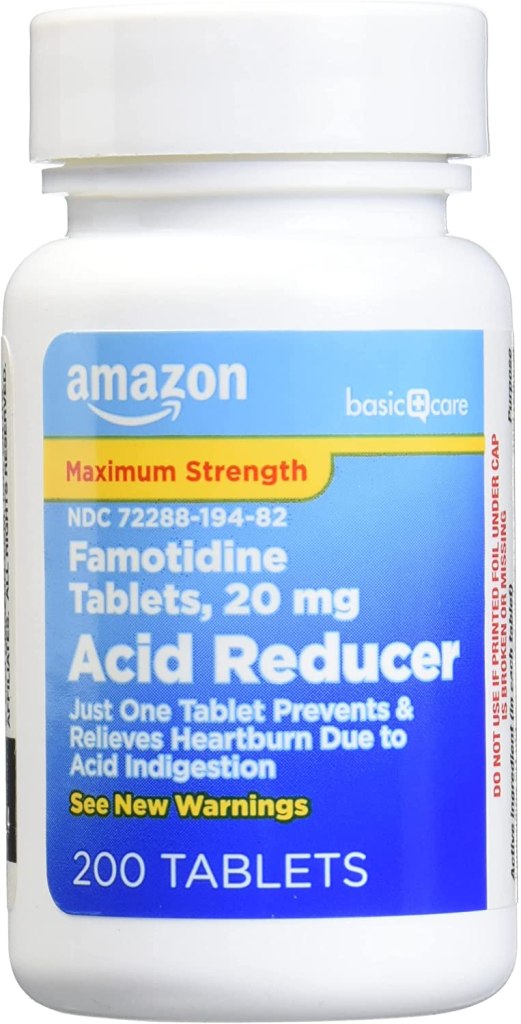
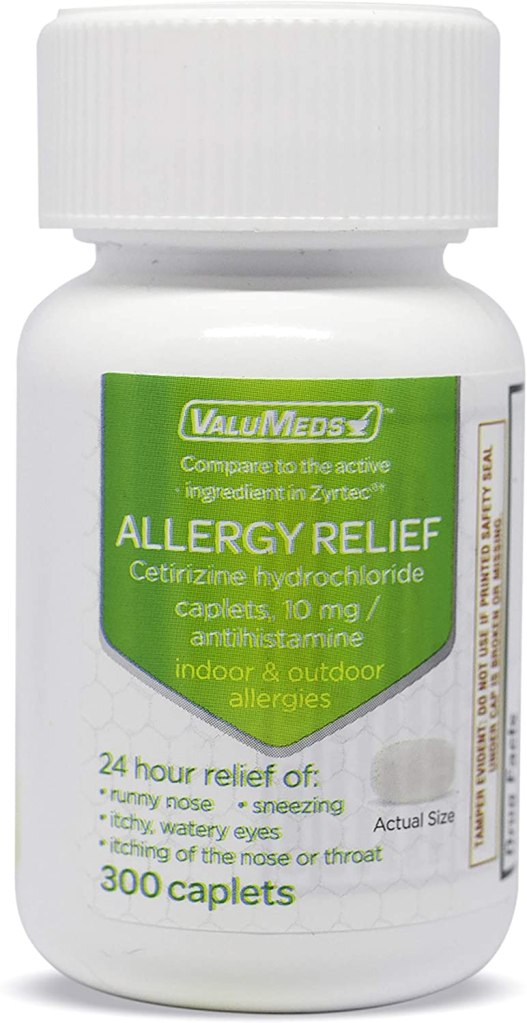
RUTIN , FORSKOHLII and my H1 histamine blocker Cetirizine 10 mg along with my H2 Histamine blocker Famotidine 20mg

Now each person is different, and only respond to certain antihistamines, to find balance, sometimes you need to take more than one of each antihistamine. My balance stopped at 4 times a day, half an hour before I ingest any food, breakfast, lunch and dinner, and before bedtime. My antihistamine intake is 2 Cetirizine and 3 Famotidine every time I take a “dose”. That is what keeps me from reacting to foods, bug bites, and various other things that my mast cells deem too much histamine for the day, oh and the biggest “histamine release” is when we get sleepy and go to sleep, that is the necessity for taking them at night.

**I recommend you take a look at my blog post about Antihistamines. Take notes on your major symptoms, and start with looking at what receptor blockers are going to get rid of those reactions first.** As always, check with your physician if you are on anything. I’m not a licensed physician, this is just what got me to where I am at.